
Jessica Peach - British Massage and Wellness Center
Restore Your Body.
Refresh Your Energy.
Reclaim Your Wellness.
Holistic massage therapy, lymphatic care, and energy healing personalized for your body’s needs.
Unwind. Rebalance. Renew.
Limited introductory offer
for new clients!

20% OFF for a 60-Minute or
90-Minute Massage!
Your Choice of Swedish, Lymphatic or Deep Tissue
For GROUPON Customers, please DO NOT BOOK ONLINE!
Please text Jessica directly at 704-572-1310 to schedule your appointment!
For GROUPON Customers, please DO NOT BOOK ONLINE!
Please text Jessica directly at 704-572-1310 to schedule your appointment!
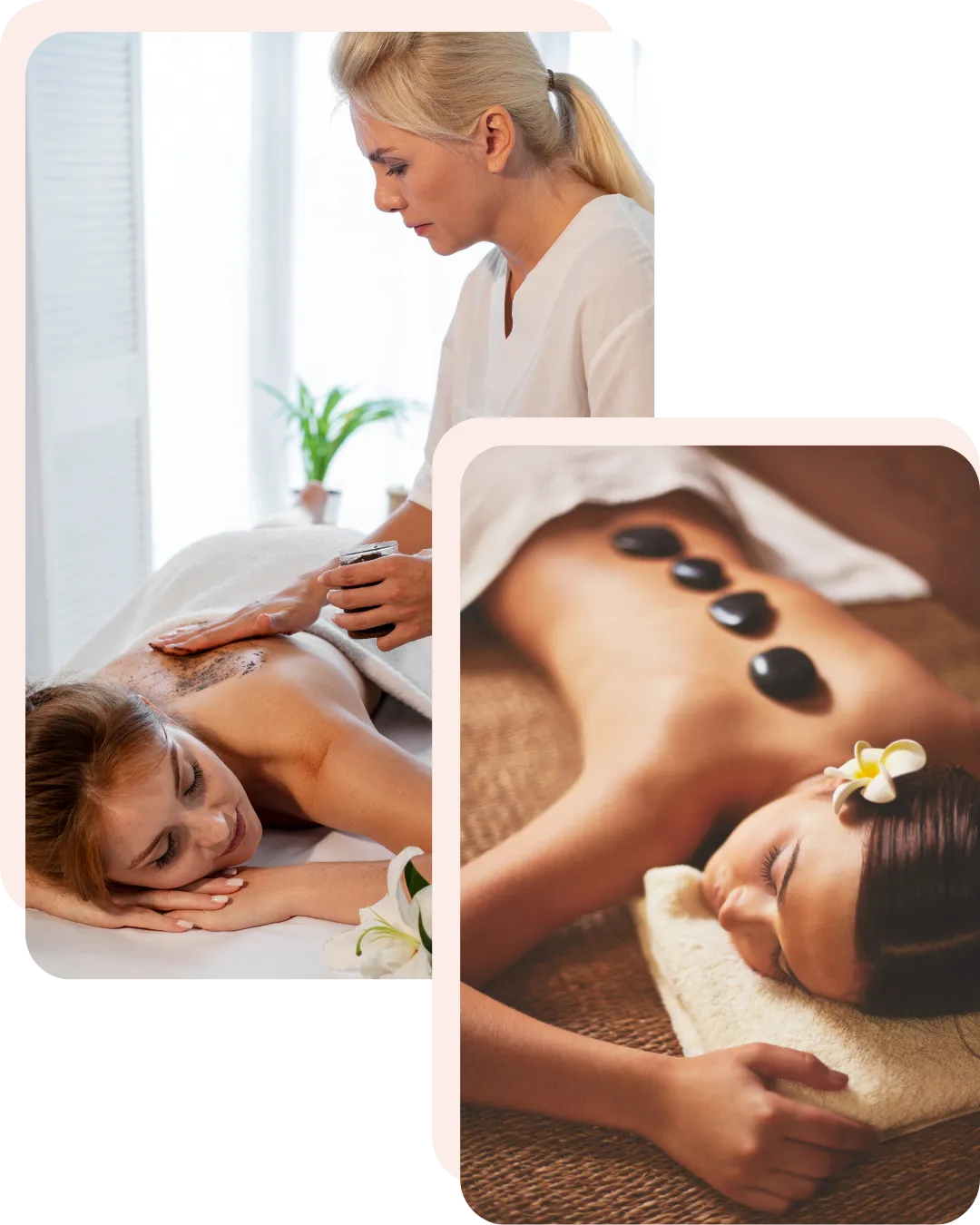
Massage is one of the oldest healing arts - and one of the most powerful tools for restoring balance today.
Touch is one of our most instinctive responses to stress, strain, and discomfort. When something hurts, we reach for it — applying warmth, pressure, or movement. This simple, human instinct is the foundation of every massage tradition throughout history.
Across continents and cultures, healers developed their own forms of therapeutic touch: long flowing strokes, deep tissue pressure, stretching, compression, energy work, lymphatic stimulation, and more. Many of these ancient techniques are still practiced today because they work — and modern research now proves why.
Massage is one of the oldest healing arts - and one of the most powerful tools for restoring balance today.
Touch is one of our most instinctive responses to stress, strain, and discomfort. When something hurts, we reach for it — applying warmth, pressure, or movement. This simple, human instinct is the foundation of every massage tradition throughout history.
Across continents and cultures, healers developed their own forms of therapeutic touch: long flowing strokes, deep tissue pressure, stretching, compression, energy work, lymphatic stimulation, and more. Many of these ancient techniques are still practiced today because they work — and modern research now proves why.
Healing That Goes Far
Beyond Relaxation
Massage does far more than relax your muscles. It creates measurable changes throughout your entire system:
Lowers stress hormones
Boosts circulation and lymph flow
Calms the nervous system
Reduces inflammation
Eases chronic pain
Improves sleep and mood
Supports the immune system
And when massage is used consistently — as a preventative, holistic wellness practice rather than an occasional luxury — the benefits multiply.
At British Wellness, we honor these timeless healing traditions while integrating modern, science-backed techniques. Every session is intentional, restorative, and designed to help your body do what it was made to do: heal, reset, and thrive.
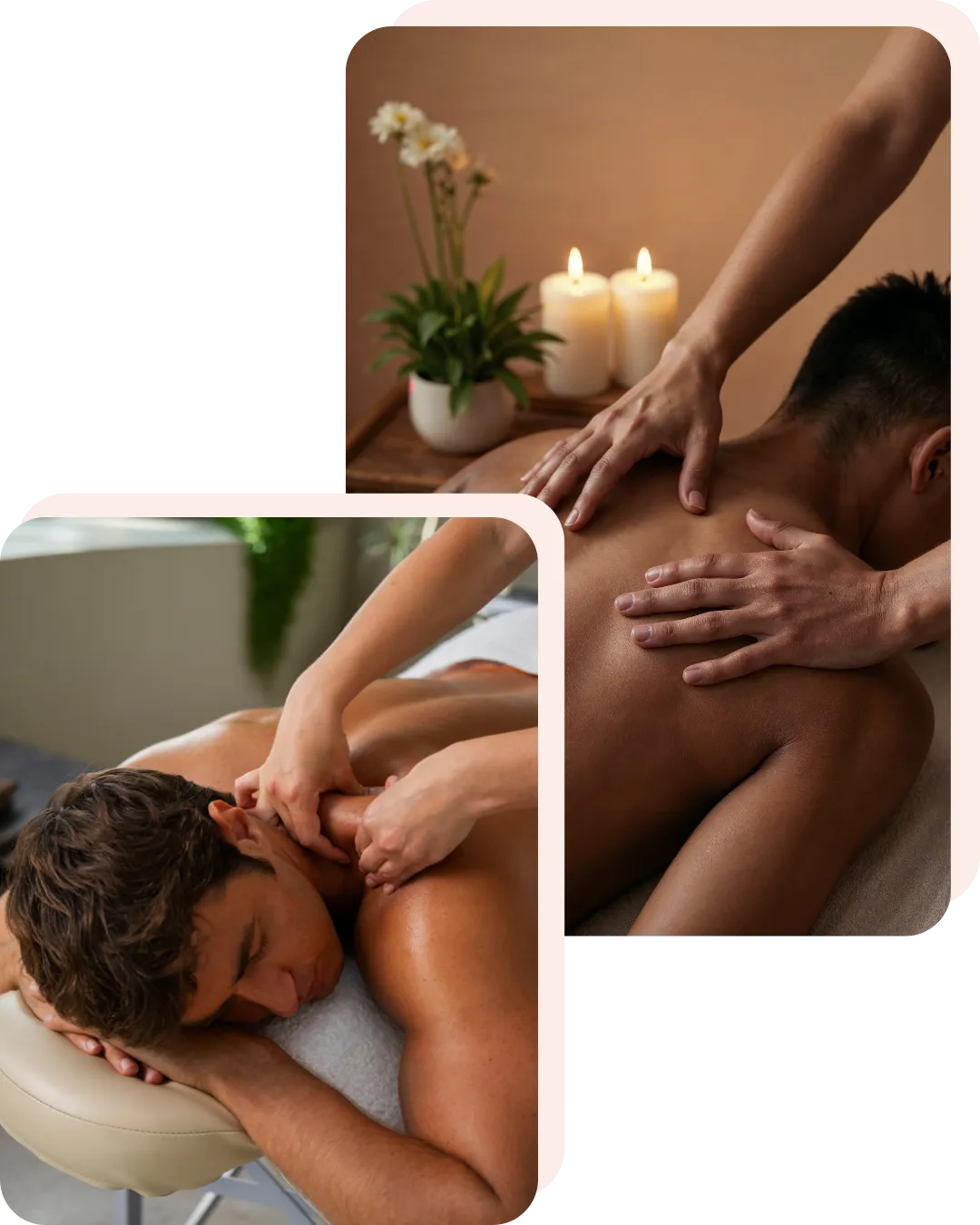
Healing That Goes Far
Beyond Relaxation
Massage does far more than relax your muscles. It creates measurable changes throughout your entire system:
Lowers stress hormones
Boosts circulation and lymph flow
Calms the nervous system
Reduces inflammation
Eases chronic pain
Improves sleep and mood
Supports the immune system
And when massage is used consistently — as a preventative, holistic wellness practice rather than an occasional luxury — the benefits multiply.
At British Wellness, we honor these timeless healing traditions while integrating modern, science-backed techniques. Every session is intentional, restorative, and designed to help your body do what it was made to do: heal, reset, and thrive.
Signature Treatments Designed for Deep Healing
Experience a curated blend of therapeutic touch, holistic techniques, and restorative bodywork tailored to elevate your wellbeing.

Swedish Massage
Swedish massage uses long, flowing strokes and gentle pressure to relax muscles, improve circulation, and ease tension. Techniques are applied in the natural direction of blood flow back to the heart, helping the entire body unwind and restore balance.

Thai Massage
Thai massage is a more active and energizing style of bodywork, often called “Thai yoga massage.” Using hands, knees, legs, and feet, the therapist guides you through yoga-like stretches that release tension, increase flexibility, and open energetic pathways—like doing yoga without the effort

Deep Tissue Massage
Deep tissue massage focuses on the deeper layers of muscle and fascia. Slow, targeted strokes and sustained pressure help release chronic tension, break up adhesions, and restore mobility by working with (or across) the natural fibers of the muscles and connective tissues.
REIKI | Energy Work
Reiki is a gentle energy-healing therapy that channels universal life energy to support balance, align the chakras, and promote emotional and physical harmony. Through light touch and visualization, the practitioner serves as a conduit for healing energy to flow where it’s needed most.
Reflexology
Reflexology focuses on specific points of the feet and hands that correspond to organs, systems, and glands in the body. By applying pressure to these reflex zones, this therapy encourages balance, stimulates circulation, and supports overall wellness based on the principles of zone therapy.
Mobile Massage
Mobile massage brings the spa experience directly to you—home, office, or hotel. Perfect for busy professionals or anyone who prefers relaxing in their own space. Enjoy a full massage session without the stress of traveling or disrupting your schedule.
Keeping the Lymphatic System in Balance
Lymphatic Drainage Massage (LDM) is a gentle, detoxifying therapy that encourages lymph fluid movement to clear toxins, reduce congestion, and support natural healing. It’s especially helpful for sinus pressure, inflammation, swelling, and boosting overall immune function.
By stimulating and opening the lymph nodes, LDM improves circulation, decreases fluid retention, and helps the body feel lighter and more refreshed. It’s often recommended for lymphedema, fibromyalgia, and post-surgical recovery due to its ability to reduce swelling and promote faster healing. Many clients also notice smoother skin and improved tone with regular treatments.
Note: Not suitable for individuals with blood clots, active infections, kidney failure, or heart failure.
The Benefits Your Body and Mind Will Feel
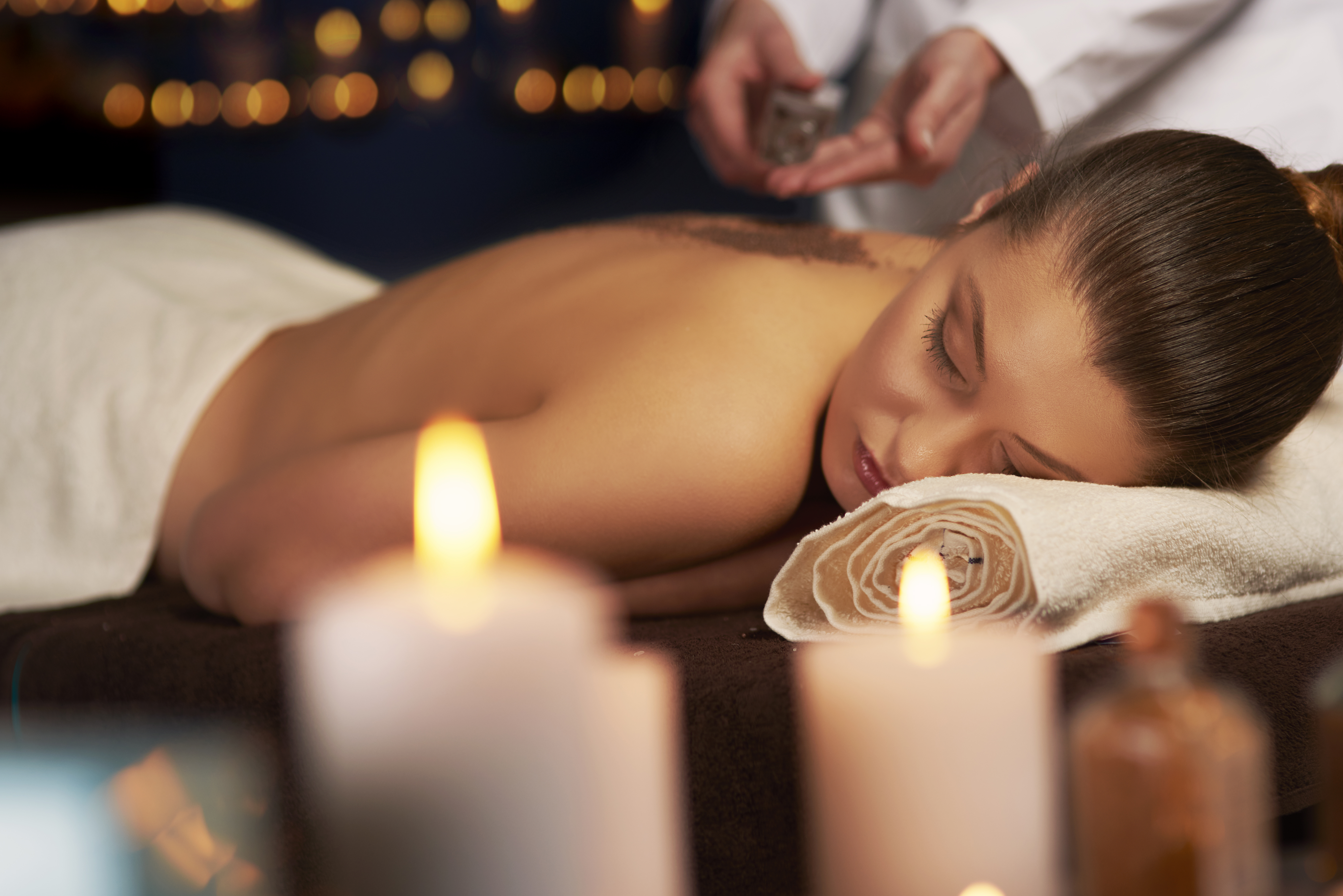
Deep Physical Relief
Therapeutic techniques release muscle tension, improve mobility, reduce inflammation, and support faster recovery - helping your body feel lighter and more balanced.
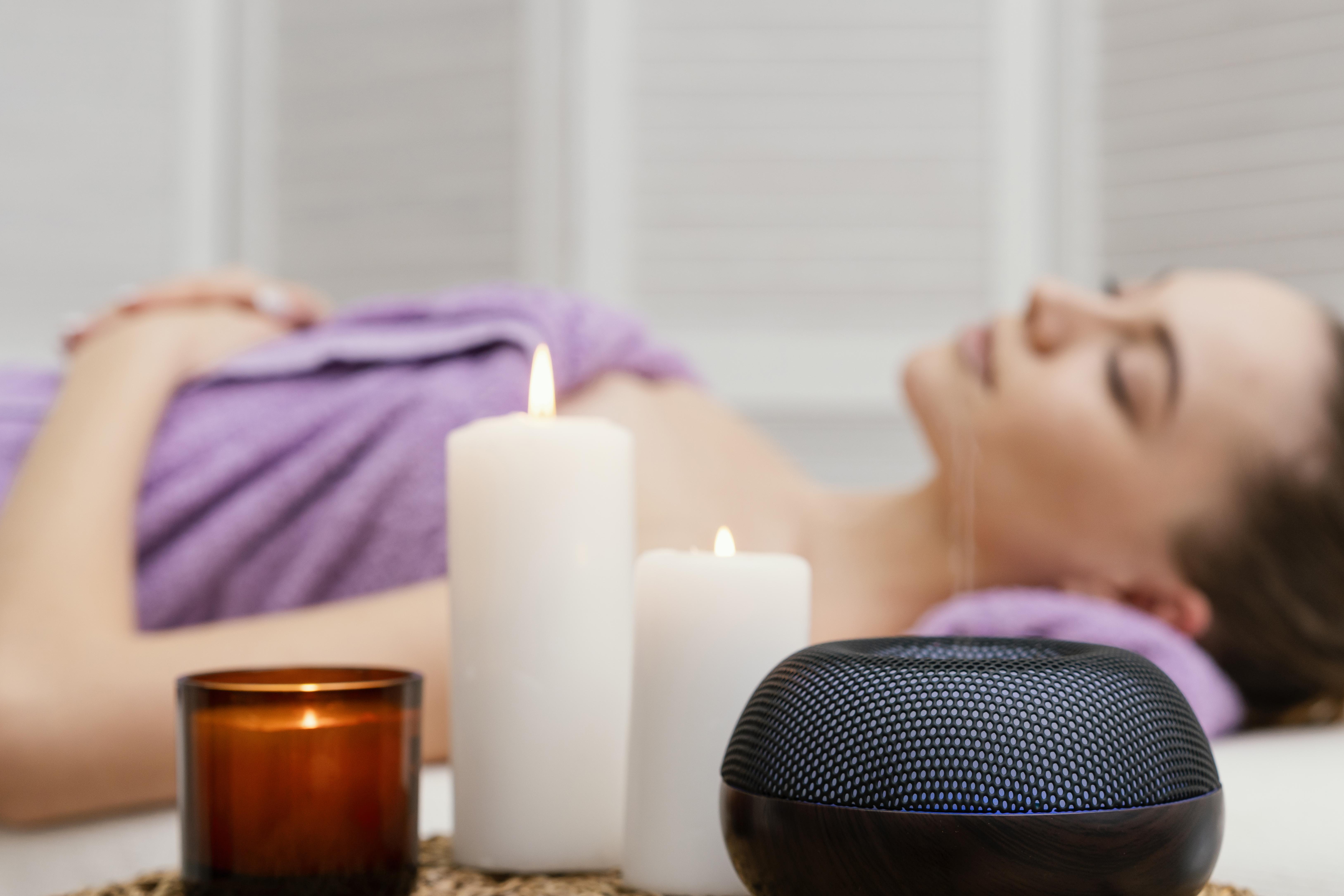
Enhanced Lymphatic and Circulatory Health
Specialized lymphatic and massage work boosts circulation, reduces fluid buildup, supports detoxification, and strengthens the body’s natural healing systems.
Emotional and Energetic Renewal
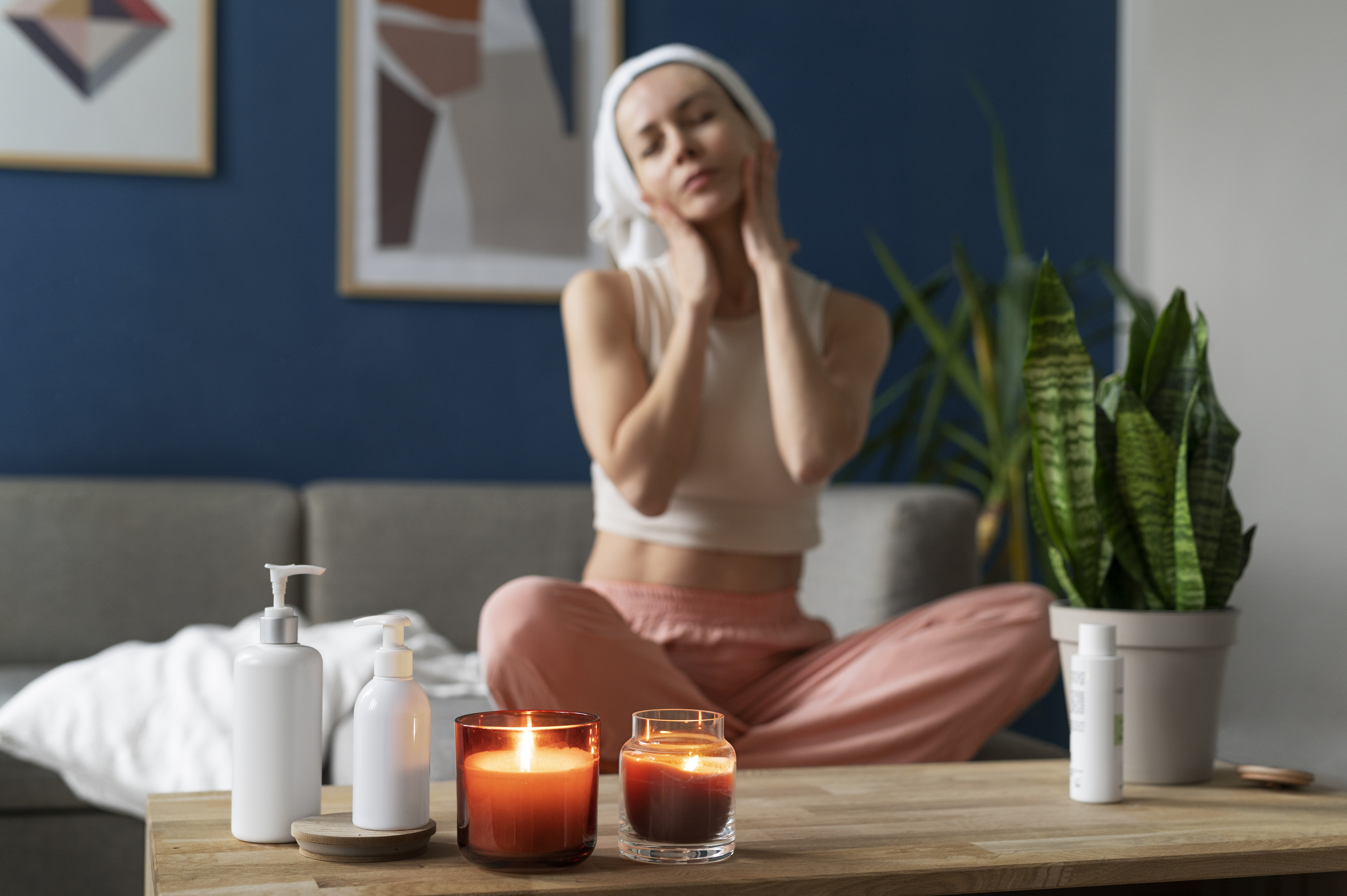
Reiki and intuitive touch calm the nervous system, reduce stress, and restore inner harmony for a more peaceful, grounded, and centered you.
Happy Client Stories
About Me
Meet Jessica Peach
Jessica is a Licensed Massage Therapist and a graduate of the Southeastern School of Neuromuscular and Massage Therapy in Charlotte, North Carolina. Practicing since 2002, she brings over two decades of experience helping clients restore balance, relieve pain, and reconnect with their wellbeing. Known for her intuitive touch and holistic approach, Jessica’s sessions blend clinical expertise with mindful healing.
Accolades and Affiliations
LMBT, Medical Reiki Master and Healer
NC License No. 3432
AMTA Registered (American Massage Therapy Association)

About Me
Meet Jessica Peach
Jessica is a Licensed Massage Therapist and a graduate of the Southeastern School of Neuromuscular and Massage Therapy in Charlotte, North Carolina. Practicing since 2002, she brings over two decades of experience helping clients restore balance, relieve pain, and reconnect with their wellbeing. Known for her intuitive touch and holistic approach, Jessica’s sessions blend clinical expertise with mindful healing.
Accolades and Affiliations
LMBT, Medical Reiki Master and Healer
NC License No. 3432
AMTA Registered
Why Choose Us
We combine skilled therapeutic bodywork with intuitive, holistic healing to create deeply restorative, personalized experiences.
What Sets Us Apart
Licensed and highly trained therapist
Intuitive, healing touch
Reiki Master & Medical Reiki Master
Specialized lymphatic expertise
Calm, boutique-style environment
Personalized, whole-body care
Why Choose Us
We combine skilled therapeutic bodywork with intuitive, holistic healing to create deeply restorative, personalized experiences.
What Sets Us Apart
Licensed and highly trained therapist
Intuitive, healing touch
Reiki Master & Medical Reiki Master
Specialized lymphatic expertise
Calm, boutique-style environment
Personalized, whole-body care